Jack 39 Blog
February 12th, 2026 By Ashley Brantman
One City. Two Game Weeks
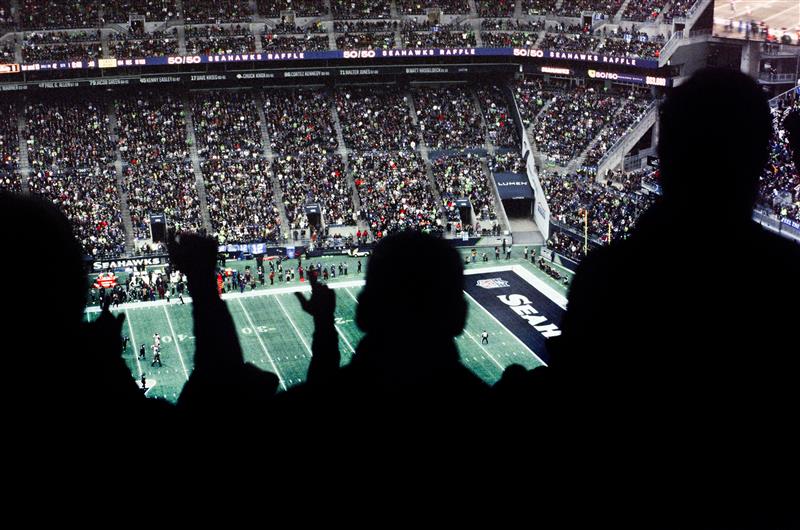
If you’re spending time in San Francisco during the week leading up to the biggest game of the NFL season, one truth becomes immediately clear: there are two distinct weeks happening at the same time. One belongs to fans. The other to brands, leagues, and business leaders shaping what the sport – and sports more broadly – will become for those fans.
Both are intentional. Both are valuable. And understanding the distinction matters more than ever.
The Fan Week: Tangible Culture and Real-Time Moments
For fans, the week leading up to the big game is about proximity to the stadium; it’s about proximity to the culture that surrounds the sport. It’s the rare moment when football feels so tangible outside of a screen. That shows up in experiences designed for real-world interaction and conversation, even if they don’t set foot inside the stadium.
Pepsi’s “Bay Area Local Eats Presented by PEPSI®” in Yerba Buena Gardens invited fans to sample Pepsi Zero Sugar while enjoying food from local restaurants, an activation rooted in community and place. Guy Fieri’s Flavortown Tailgate leaned into broad accessibility, offering music, good and celebratory energy to thousands in a free-to-attend festival atmosphere.
A presenting sponsor of the Super Bowl Experience, Jersey Mike’s created a football “theme park” complete with player autographs, interactive games, and photo ops with the Vince Lombardi Trophy, which is always a memorable time given that not even many football players get close to that prize.
These moments give fans something increasingly rare in a hyper-digital entertainment landscape. Each activation is designed to be felt in real time and shared in the moment, on phones, in social feeds, and across group texts, creating organic cultural currency.
The Business Week: Relationships, Strategy, and the Future of the Game
Running parallel to the fan-facing energy is another environment that most spectators never see. Behind closed doors, this week has become a relationship-driven, executive-first space. It is almost Cannes Lions Festival of Creativity adjacent in how business gets done. Dealmaking, intelligence sharing, and strategic conversations shape the next decade of growth for leagues and partners, positioning this week as something more than just spectacle.
What’s striking about these discussions is how forward-looking they are. Many conversations aren’t about local fan moments at all. They’re about global markets, international growth, and scaling the sport as a cultural and commercial platform. This week increasingly feels less like a fan-first function and more like an industry disguised as culture.
That doesn’t mean fan experiences are secondary; it means expectations on them have changed.
From Foot Traffic to Narrative Clarity
Too many activations still felt designed around foot traffic and dwell time, when the real KPI should be content output, narrative clarity, and what lives on after the week ends. The strongest IRL experiences today are intentionally built as hospitality engines and content stages, places where moments are created with scale in mind, not just local impact.
Fan engagement still matters deeply, but it needs to be designed as part of a broader ecosystem with digital extensions, participatory storytelling and above-the-line moments that travel well beyond the physical footprint. When done right, fan experiences don’t compete with the brand-side convening, they complement it.
This past week worked because both pathways existed simultaneously. One fueled fandom in real time. The other laid the groundwork for future growth. For leagues, brands, and partners alike, the opportunity is clear: make sure those two paths stay connected. Because the game only grows if fans continue to feel like they’re part of the journey.
Key Takeaways
-
There are two Big Game Weeks and success requires embracing both.
One fuels fandom and cultural momentum. The other fuels long-term business strategy. Understanding the interplay is critical. -
Real-world experiences must drive amplification, not just attendance.
In an era of relentless content creation, the highest value comes from moments that travel beyond the physical footprint. -
Hospitality equals strategy.
Executive and partner gatherings are not peripheral; they’re shaping long-term direction and relationships that define the sport’s future. -
Connectivity between fans and business matters.
When fan stories and executive strategy inform each other, the result is sustainable cultural growth, not just a momentary buzz.
Because the game only grows if fans continue to feel like they’re part of the journey.
Ashley Brantman is SVP Head of Growth US, Co-Head Jack 39.
